
Stretch marks that need treatment
Stretch marks are a common skin condition that many people experience at different stages of life. They appear as narrow streaks, lines, or bands on the skin and can vary in color from red and purple to white or silver. While they are harmless, many individuals seek Stretch Marks Treatment to reduce their visibility for cosmetic reasons. Understanding what causes stretch marks is essential for both prevention and effective treatment, as the underlying factors often determine how severe the marks become and how well they respond to therapy.
Stretch marks develop when the skin stretches or shrinks rapidly, causing the elastic and collagen fibers within the dermis—the middle layer of skin—to tear. This sudden stretching disrupts normal skin structure and leads to scars that form beneath the surface. One of the most common causes of stretch marks is rapid weight gain or loss. When the body changes size quickly, the skin cannot produce enough collagen to keep up with the stretching, resulting in small tears that eventually become visible marks. Individuals who undergo significant weight fluctuations often notice stretch marks on the abdomen, thighs, or arms.
Pregnancy is another major cause of stretch marks that often leads women to seek Stretch Marks Treatment. During pregnancy, hormonal changes and the expansion of the abdomen stretch the skin significantly, particularly in the later months. These marks, known as striae gravidarum, usually appear on the belly, breasts, and hips. Although they tend to fade over time, they rarely disappear completely without treatment. Using moisturizers and maintaining skin hydration during pregnancy can help minimize their formation, but genetic factors play a large role in determining who gets them.
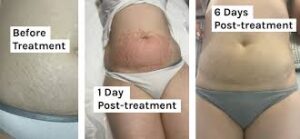
What causes stretch marks that need treatment?
Adolescence is also a time when stretch marks commonly appear. Rapid growth spurts during puberty can cause the skin to stretch quickly, leading to marks on areas such as the back, legs, and shoulders. Similarly, bodybuilders and athletes who build muscle mass rapidly are prone to stretch marks due to the constant strain on the skin from muscle expansion. Hormonal changes during puberty or intense physical training can further weaken collagen production, increasing the likelihood of developing visible marks.
Certain medical conditions and medications can also trigger the formation of stretch marks. For example, long-term use of corticosteroid creams or oral steroids can decrease collagen levels in the skin, making it thinner and less elastic. Conditions such as Cushing’s syndrome or Marfan syndrome can also cause the skin to stretch excessively or lose its strength, leading to noticeable marks that may require professional Stretch Marks Treatment.
While stretch marks cannot always be prevented, treatments such as laser therapy, microneedling, and topical retinoids can greatly improve their appearance. These methods work by stimulating collagen and elastin production, encouraging the skin to repair itself naturally. Maintaining a balanced diet rich in vitamins A, C, and E, along with proper hydration, also supports skin health and elasticity.
In conclusion, stretch marks are caused by a combination of physical, hormonal, and genetic factors that affect the skin’s ability to stretch and recover. Although they are a normal part of life, effective Stretch Marks Treatment can help fade them and restore smoother, healthier-looking skin when performed consistently and under professional guidance.

Leave a Reply